

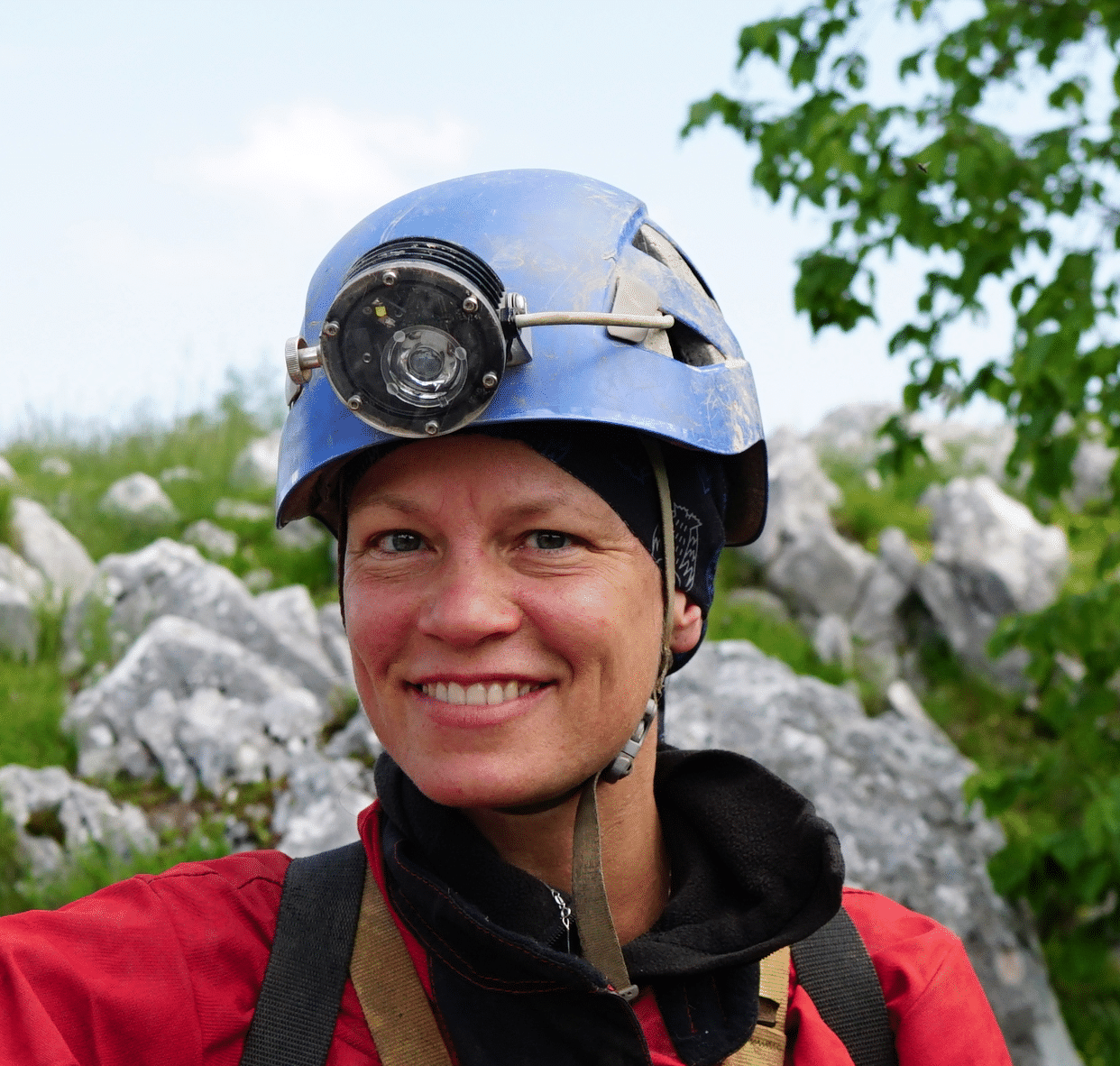
Maja Zagmajster – Assistant Professor, Researcher / Group Leader
My research focuses on understanding patterns and processes that shape distribution of subterranean taxa and biodiversity, from local to continental scales. I explore approaches toward biological monitoring of subterranean habitats to improve their conservation. I manage the Subterranean Biodiversity Database (SubBioDB) and take on projects on distribution and conservation of bats. My teaching includes themes of zoology, nature conservation, application of GIS tools and data management.

Peter Trontelj – Professor
I am interested in the evolution of subterranean biodiversity at the phenotypic as well as the molecular level. Currently, with my PhD students and collaborators, I work on the question of adaptive radiation within extreme environments like caves, and on the processes that drive diversification and speciation in those environments.

Cene Fišer – Associate Professor
I am studying phenotype diversity and diversification within the subterranean amphipod genus Niphargus. A part of my research is dedicated to the on-going taxonomic revision of the genus, the other part to studying mechanisms underlying its evolutionary radiation.

Rudi Verovnik – Assiciate Professor
My main interest in cave organisms is connected with our model organism Asellus aquaticus and its phylogeograpy, speciation and adaptation to the subterranean environment. I am currently working also on the phylogeny and phylogeography of isopods in the genus Monolistra. In addition, I am involved in butterfly studies and conservation at national and European level.
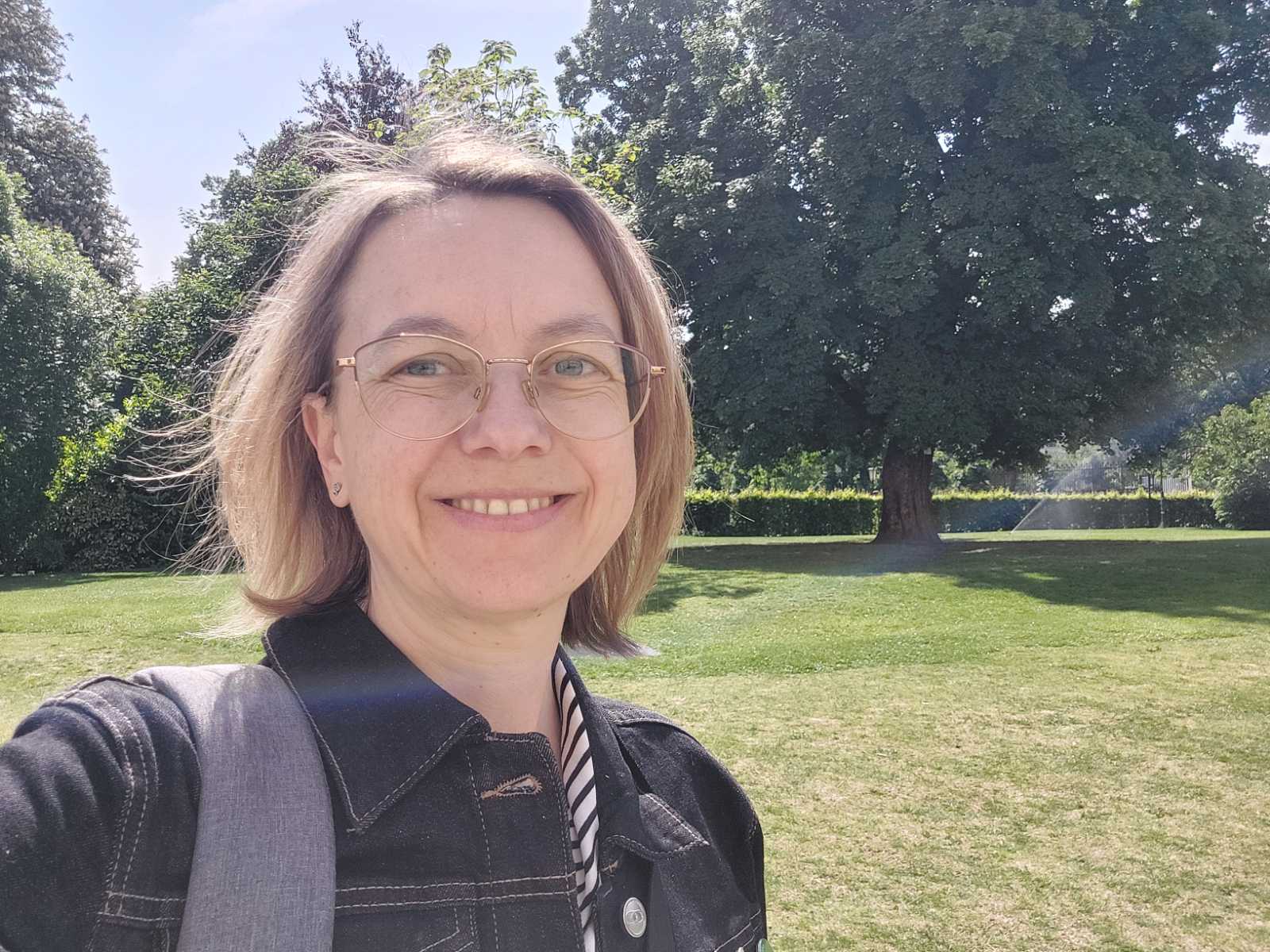
Anita Jemec Kokalj – Associate Professor
I am a freshwater and soil ecotoxicologist with expertise in the effects of emerging pollutants, particularly nanomaterials and microplastics. My research examines responses across different levels of biological complexity, ranging from cellular mechanisms to whole-organism outcome focusing on crustaceans. Over the past several years, a significant part of my work has focused on plastic pollution, including its environmental toxicity, and ecological consequences.

Maja Kajin – Assistant Professor
My work sits where population ecology, evolution and statistics meet. I study how demographic processes shape fitness and life-history strategies to understand how populations respond to environmental variability. I teach statistics at undergraduate and graduate level and support the group’s ecological modelling and statistical analyses.

Žiga Fišer – Assistant Professor
Caves are a unique ecological theater wherein evolutionary plays of adaptation and speciation get particularly dramatic. I study patterns and mechanisms of these two processes in the freshwater isopod Asellus aquaticus, famous for its mini-explosion of independent cave populations acros Europe. My focus is on behavioral ecology and I enjoy developing phenotyping pipelines using open-source hardware and software tools related to computer vision. However, I spend most of my time with students: I teach practical courses in evolution as well as vertebrate and invertebrate zoology.

Teo Delić – Assistant Professor, Researcher
Knowing that there is a global hotspot of subterranean biodiversity in my garden, in the Dinarides, made me consider the possible reasons underlying it. Slowly, I started exploring the subterranean world and its inhabitants, and got interested in all the scales of research, from basic taxonomy and faunistics to biogeography and evolutionary processes.

Valerija Zakšek – Assistant Professor, Researcher
I am interested in phylogeography, diversification and biogeographic patterns of subterranean fauna. Currently, my research is focused on different taxa: cave shrimps (Troglocaris and other atyids), the cave tube worm Marifugia cavatica, amphipods in the genus Niphargus and the European cave salamander Proteus anguinus. I am also interested in buterflies and their conservation.

Ester Premate – Researcher
I became attracted to the subterranean world early in my studies, and participated in several projects within the SubBioLab since then. In my PhD, I’m focusing on functional diversity of Niphargus in the Dinarides.

Špela Di Batista Borko – Researcher
I am interested in the evolution and diversification of freshwater fauna, both in surface waters and underground. My current research focuses on amphipods, from the adaptive radiation of the subterranean genus Niphargus to cryptic diversity in the stream amphipod Gammarus fossarum.

Grega Benko – Researcher
My PhD research on cave parasites offered me a glimpse into the subterranean world. I am thrilled to continue my journey and unravel further mysteries of this captivating environment while contributing to the development of cave monitoring protocols as part of the LIFE-IP NATURA.SI project.
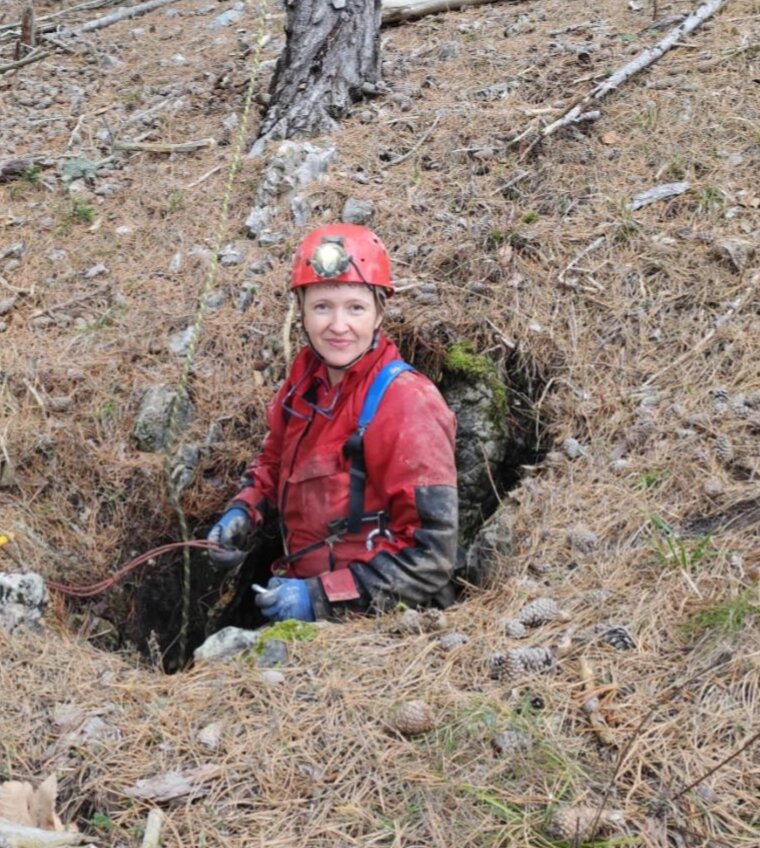
Jana Bedek – Researcher
Caves are among the least explored habitats on Earth, and they have always fascinated me. My research focuses on cave-dwelling isopods (Isopoda): their taxonomy, phylogenetic relationships, ecology and behaviour, and ultimately the evolutionary paths that shaped them. I am also committed to the conservation of subterranean fauna in the Dinaric Karst, one of the world’s richest hotspots of cave biodiversity.
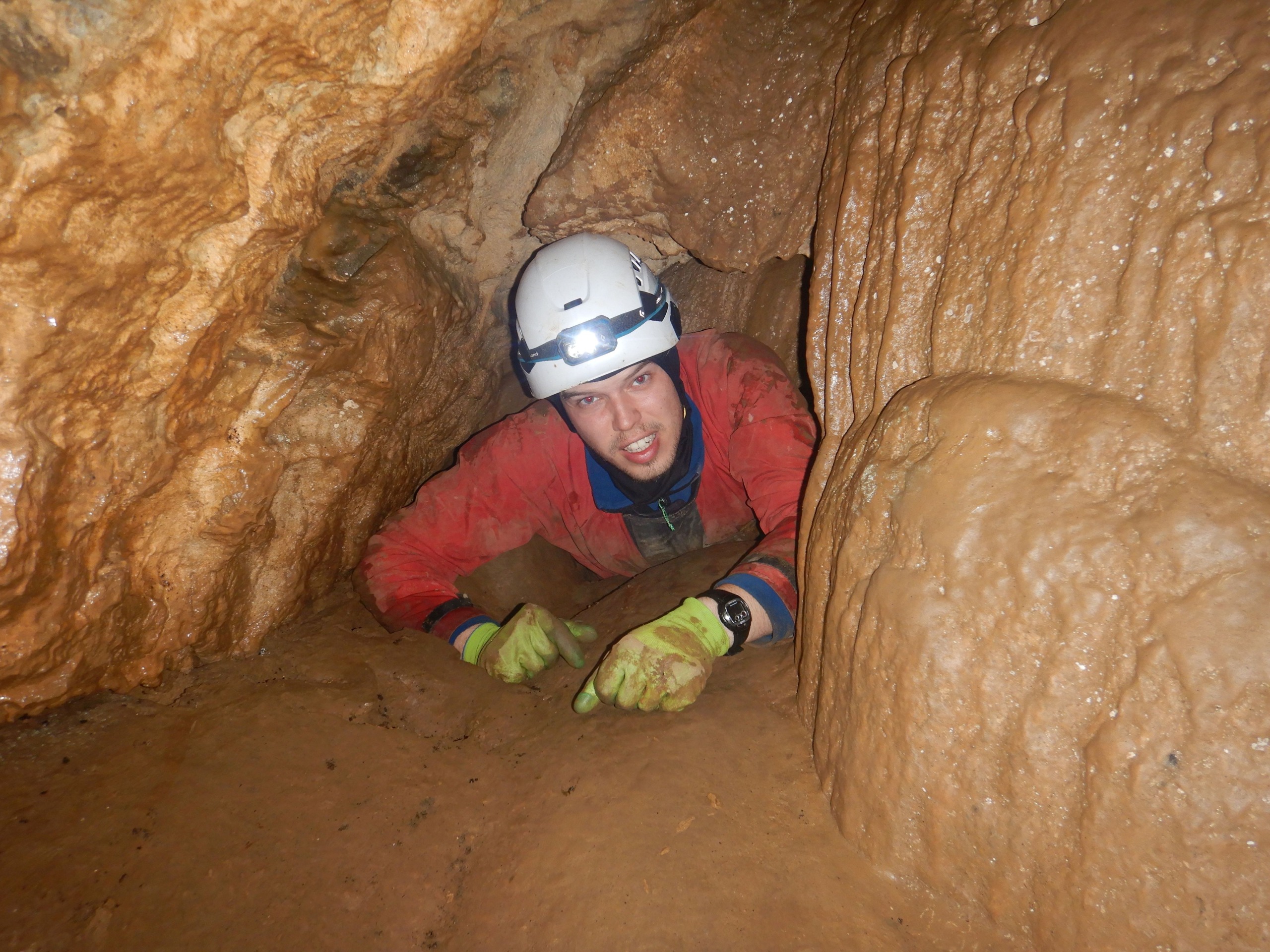
Dren Dolničar – PhD student
Although subterranean spaces such as caves and mines have fascinated me since childhood, I only became involved in speleobiology during my bachelor’s and master’s studies through my participation in speleobiology and bat groups at student research camps. For my PhD research, I am focusing on stygobiont ecotoxicology. In addition, I am interested in ciliates, especially freshwater ciliates in Slovenia, as this is a virtually unexplored area.
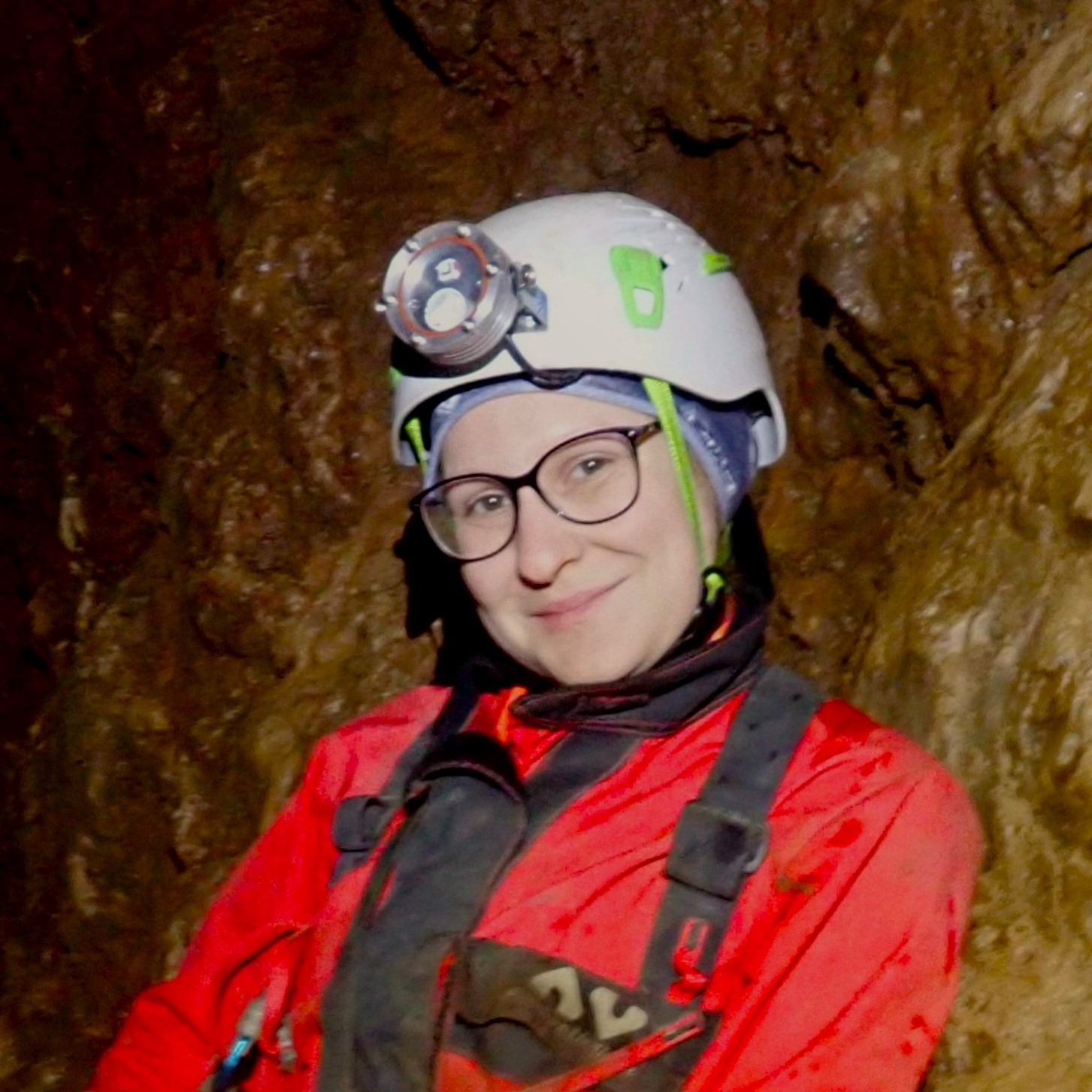
Dora Kermek – PhD student
My interest is directed towards evolution within subterranean habitats and phylogeography of its inhabitants. I’m fascinated by the power of genetics to untangle complex relationships in natural populations. My PhD research is primarily focused on the population genetics of the olm, European cave salamander (Proteus).

Anja Kos – PhD student
Caves have always intrigued me, because they hold the promise of revealing a new, hidden side of our world. My research focuses on the diversity of centipedes in the subterranean habitats of the Dinarides. Using morphology, phylogenetics and phylogenomics, I aim to understand the extent of their diversity and to shed light on how colonization, speciation and introgression shape the evolution of subterranean organisms. I also enjoy contributing to research related to cave monitoring and conservation.
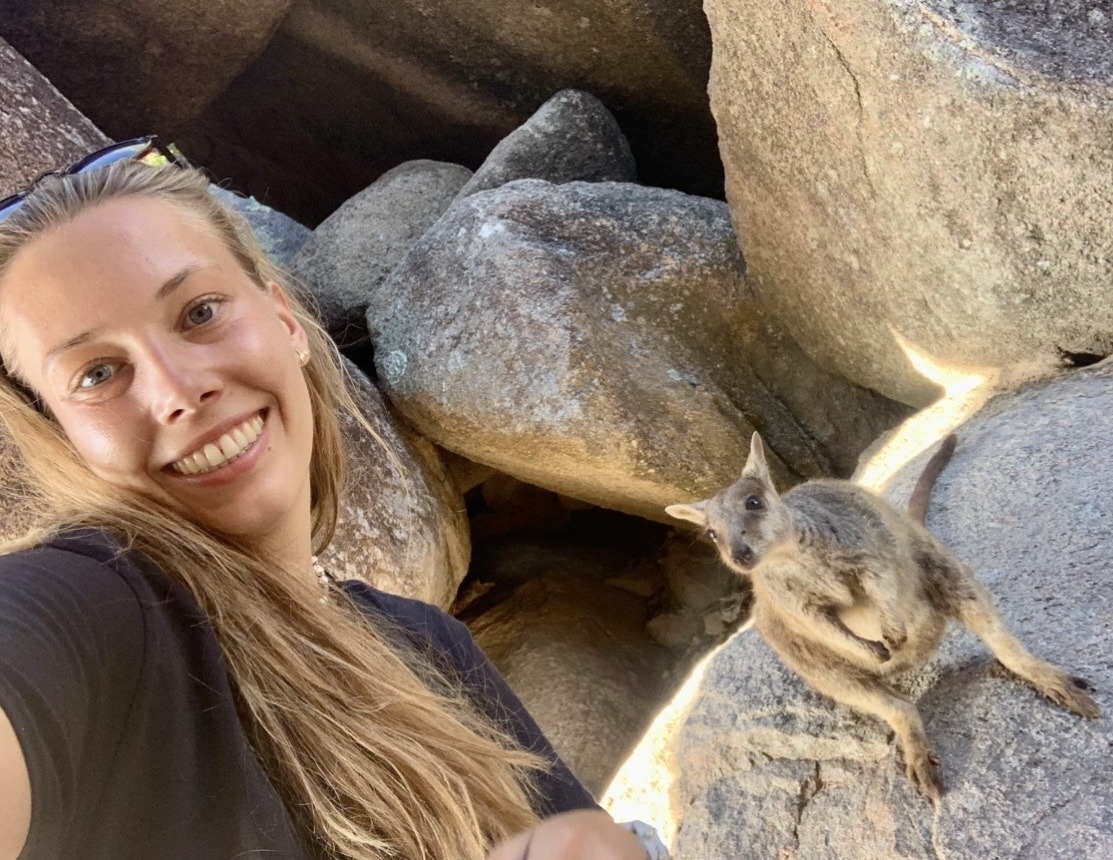
Taja Korpar – PhD student
I am interested in ecotoxicology, particularly the effects of microplastics and plastic additives on organisms. I became involved in this field during my master’s studies, when I studied the effects of a plastic additive on terrestrial invertebrates. I currently work as a researcher on the CLEAR-WATER project.

Luka Močivnik – PhD student
My work mostly focuses on the bioinformatic part of establishing Niphargus phlyogeny using exon capture and analysis of Proteus genome, searching for genetic foundations for its unique characteristics. My main interests currently lie in the bioinformatic and data aspects of research, in which I got interested during my masters studies and thesis. Apart from that I also have interest in image analysis.
Gregor Bračko – Associate Expert
I work as an Expert Associate in SubBioLab, where I am involved in various practical courses for students, maintaining our SubBio Database, and several research projects in subterranean biology. Otherwise, my main interests are ants, especially the faunistics, ecology, and taxonomy of Balkan ants.

Behare Rexhepi – Associate Expert
My work in speleobiology grew out of a long-standing interest in caves and the life they harbour. Since 2021, I have worked primarily in a molecular laboratory, using DNA-based methods to investigate subterranean biodiversity. Years of caving have taught me to appreciate what lies beneath the surface; laboratory work has added a few more layers to that curiosity.
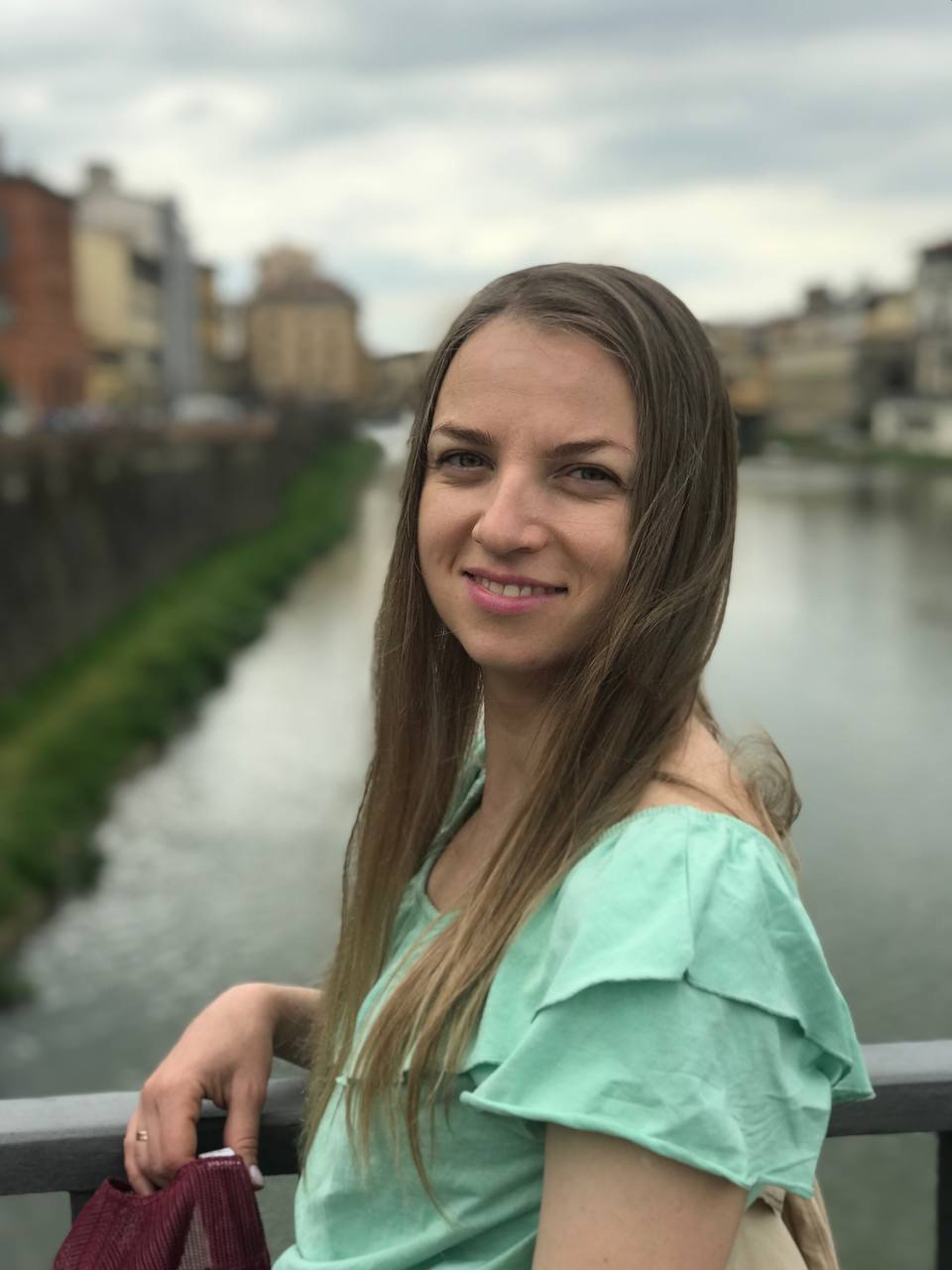
Mariia Shrestkha – Visiting Scientist
I study annelids, with a particular interest in leeches and the overlooked ectosymbionts of European crayfish, the branchiobdellidans. My research combines taxonomy, phylogenetics, and ecology, and has taken me from Ukrainian waters to the freshwater systems of the Western Balkans. In 2025 I completed my PhD on the diversity and phylogeny of branchiobdellidans across the Western Palearctic.
phone: +386 1 320 3368 I kmu6154@gmail.com


Vit Kukolja – Researcher 2022-2023
I have been interested in nature conservation since I was a child, and during my studies and my first job, I mostly dealt with invasive alien species. I previously worked on the Life-IP Natura.si project at the Fisheries Research Institute of Slovenia and joined SubBioLab in 2023 to work on various activities within Life NarcIS project, but with a focus on citizen science.
Nuša Hrga – Technical assistant 2020-2023
Currently, my main job is to develop microsatellite genetic markers for cave and surface populations of the freshwater isopod Asellus aquaticus. With this tool at hand, I plan to evaluate underground dispersal of aquatic organisms in karst landscapes. I also help with data acquisition for other subterranean animals and keep the molecular genetic laboratory clean and functional. Besides, I am interested in the biology and conservation of large carnivores.

Iva Špilak – Researcher 2023-2026
I am an ecologist interested in intertwining of human and nature coexistence, with a focus on nature conservation agricultural systems. The core of my work involves restoration ecology. In the group I am working within ULTRA Biodiverziteta project, where I mostly explore restoration of agricultural landscape.

Hans Recknagel – Researcher 2021-2025
My research focuses on how major phenotypic changes arise repeatedly through molecular evolutionary processes. The transition from surface to caves is a famous example of convergent evolution, and I focus on Proteus cave salamanders to understand the genetic and selective forces at play resulting in the “cave phenotype”.

Anja Pekolj – Researcher 2021-2025
I am a researcher on the project Life NarcIS – NAtuRe Conservation Information System. In my master thesis I studied morphometric differences between surface and cave populations of Synurella ambulans. Because I come from karst area I was always a bit fascinated by karst phenomena, especially by caves. Otherwise, my main interest is herpetology.

Simona Prevorčnik – Assistant Professor and researcher until 2020
The main objects of my taxonomical work were isopod crustaceans from the genera Asellus and Monolistra. I was using morphometry and multivariate statistical tools to study their diversity and mechanisms of speciation.

Ajda Moškrič – PhD Student 2009-2016
Ajda was exploring Niphargus phylogeny, her goal was to obtain a number of nuclear markers to reconstruct a well-supported phylogenetic hypothesis of this genus.

Marjeta Konec– PhD Student 20011-2015
Marjeta studied geneflow between surface and subterranean populations of Asellus aquaticus.

Martin Turjak – PhD Student 2007-2012
During his PhD Martin developped a new “Hennigean” method for evaluating taxic synapomorphies on phylogenetic trees (Turjak & Trontelj 2012). He was also working on the SubBio Database and programming the user interface for the online version of the database (read more on the database page).

Jure Jugovic – PhD Student 2005-2010
Worked on the taxonomy and morphometrics of the cave shrimp genus Troglocaris.

Špela Gorički – PhD Student 2002–2006
Worked on the phylogeography and systematics of the European cave salamander Proteus anguinus.

Boris Sket
Professor Sket was one of the pioneering speleobiologists in Slovenia. As a professor at University of Ljubljana, he has been exploring all aspects of cave fauna since 1950ies and can be considered as a founder of SubBio Lab. His research opus encompass taxonomy, phylogeny, ecology, biogeography and conservation of different groups of crustaceans, leeches, cnidarians, clams, snails and Proteus. He also brought speleobiology to University curriculum. Unfortunately dr. Boris Sket passed away on 7. 5. 2023.